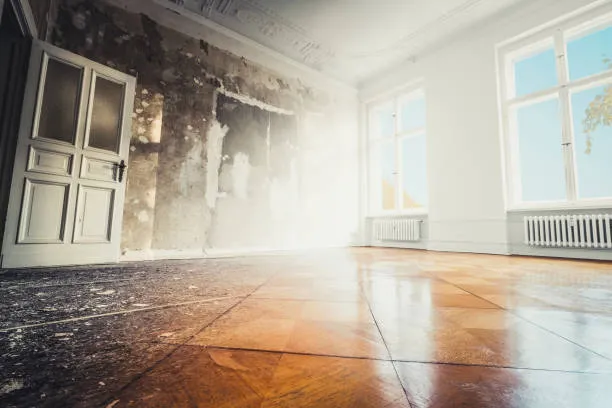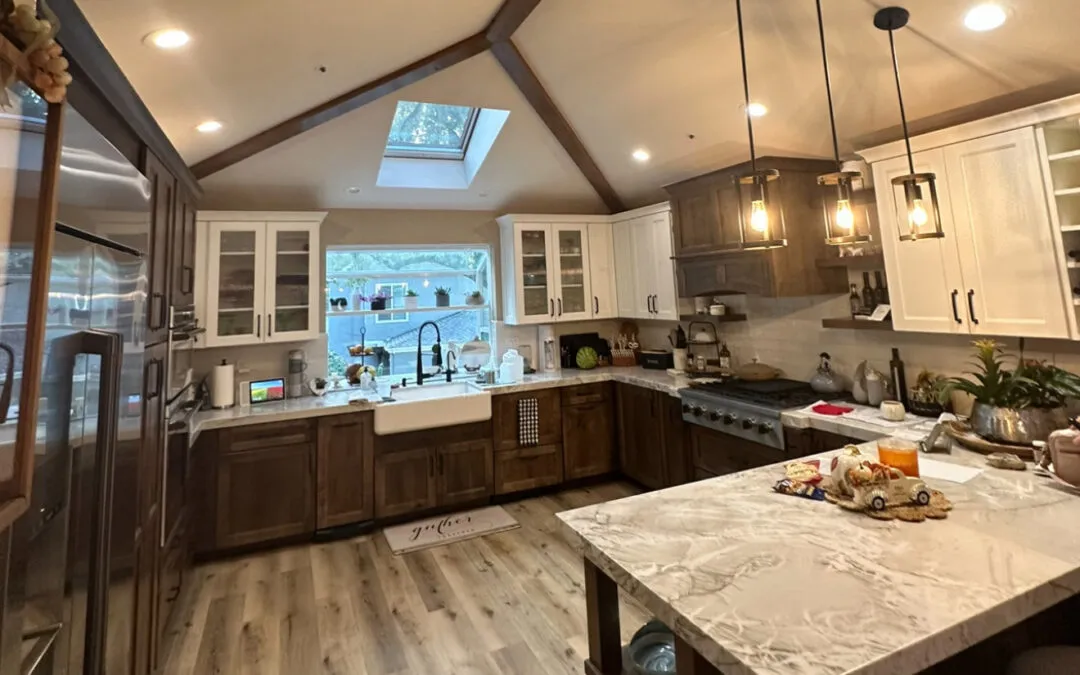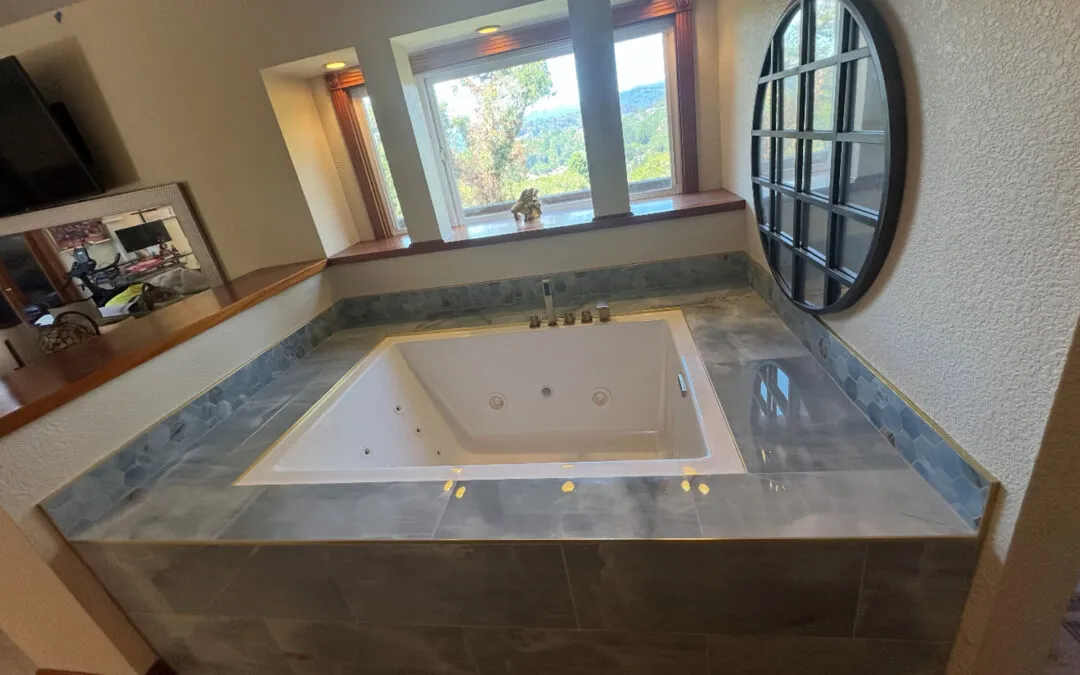

Most interior remodels start the same way, with a feeling more than a plan. You walk into a room and something’s just off. Maybe it’s dark when it shouldn’t be. Maybe it feels cramped even though it’s not that small. Maybe it just looks tired, like it hasn’t changed since the house was built and nobody ever got around to updating it.
That feeling is the starting point for almost every home interior remodeling project we take on. The hard part for most homeowners isn’t wanting a change, it’s figuring out what that change should actually be, and how to get there without it turning into chaos. We’re Cruz Home Construction, based in Watsonville, and we’ve been helping people in the Santa Cruz area work through exactly this for over 20 years. This guide is about helping you think through that process before you start.
Where Do You Even Start With an Interior Remodel?
Honestly? Not with Pinterest. Don’t get us wrong, inspiration boards are useful later. But starting there first is how people end up with a collection of photos that don’t have much in common with each other, or with their actual house.
A better starting point is just walking through your home, room by room, and being honest about what bugs you. Is it the layout? The lighting? The colors? The amount of stuff you have versus the storage you have? Write it down, even if it feels disorganized. That list, messy as it is, tells you more about what your home interior remodeling project actually needs than any trend roundup will.
What Are the Interior Design Trends Worth Paying Attention To?
Which Interior Design Trends Are Actually Lasting, and Which Are Just Phases?
Trends are tricky, because some of them stick around and genuinely improve how a space feels, and others are gone in a couple of years, leaving you with a kitchen that screams “2019.” A few interior design trends that we think have real staying power:
- Warm, natural materials, wood tones, woven textures, stone accents. After years of everything being stark white and gray, warmth is back, and it tends to age really well because it’s not tied to a specific “look”
- Layered lighting, instead of one overhead fixture doing all the work, multiple light sources at different heights (floor lamps, sconces, under-cabinet lighting) that can be adjusted depending on the time of day or mood
- Curved furniture and softer lines, a shift away from the boxy, angular furniture that dominated for a while, toward shapes that feel a little more relaxed
- Statement ceilings, wood paneling, paint, or texture on the ceiling instead of leaving it as an afterthought. It’s a detail that surprises people with how much it changes a room
On the flip side, some things that were everywhere a few years ago, like all-white everything, or very heavy industrial details (exposed pipes, raw concrete everywhere), have started to feel a bit cold to a lot of homeowners. That doesn’t mean don’t do it if you genuinely love it. It just means go in with eyes open about whether you’re choosing something timeless or something trendy, and that’s okay either way as long as it’s a conscious choice.
Do You Need an Interior Decorator, or Can You Plan This Yourself?
When Does It Make Sense to Hire an Interior Decorator for a Remodel?
This is a genuinely useful question, and the honest answer is: it depends on how confident you feel about color, layout, and finishes working together. Some people have a natural eye for this. Others can pick individual things they like but struggle to see how they’ll work as a whole space, and that’s completely normal, it’s a different skill.
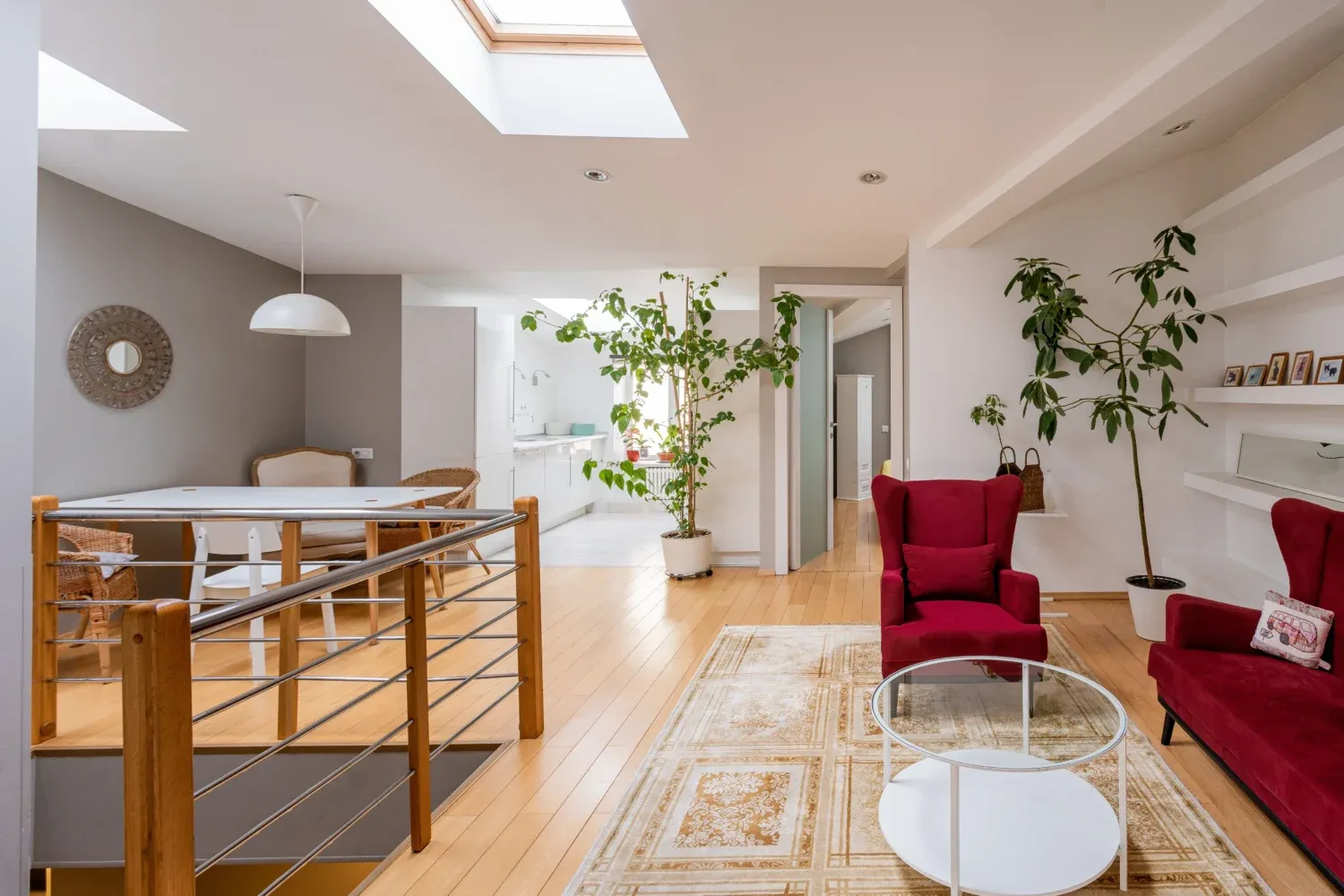
An interior decorator can be especially helpful when you’re dealing with an open floor plan where multiple “zones” need to feel connected but distinct, when you’re trying to incorporate furniture or art you already own into a new design, or when you’ve started a project and it’s just not coming together the way you pictured. For smaller, single-room updates where you have a clear vision, you may not need one at all, but for a larger home interior remodeling project touching multiple rooms, having someone help with the overall design language can save you from a house that feels like each room was decorated by a different person.
Home Interior Ideas That Make a Real Difference
Not every home interior ideas list needs to be about big, expensive changes. Some of the most noticeable improvements come from smaller decisions:
- Paint color and finish, this is the cheapest, fastest way to change how a room feels, and it’s also the easiest thing to get wrong if the color doesn’t account for the room’s natural light
- Hardware and fixtures, swapping out dated cabinet pulls, light fixtures, and door handles updates the feel of a space without touching the structure at all
- Flooring consistency, when flooring changes abruptly from room to room, it visually chops up your home. Bringing in one consistent flooring material across connected spaces makes everything feel more cohesive
- Window treatments, the right curtains or blinds can completely change how light moves through a room, which affects the whole mood of the space
These aren’t flashy, but they’re the kind of changes that, when done thoughtfully, make people walk into a room and just feel like something’s different, even if they can’t immediately point to what.
What Are the Different Types of Home Interior Design Styles?
How Do I Figure Out My Interior Design Style?
People often feel like they need to pick a “style” before they can start, like there’s a quiz somewhere that tells you whether you’re a farmhouse person or a mid-century person. In reality, most homes (and most people) are a blend. But understanding the general types of home interior design styles can still help you communicate what you’re drawn to:
- Modern: Clean lines, minimal ornamentation, often a neutral palette with one or two bold accent pieces
- Traditional: Classic furniture shapes, richer color palettes, more layered textiles and details
- Farmhouse: Warm woods, shiplap or similar textured walls, a mix of rustic and practical elements
- Coastal: Light, airy, often inspired by natural materials and a relaxed color palette, which honestly makes a lot of sense for homes in our area
- Industrial: Exposed materials, metal accents, a more raw and unfinished aesthetic used intentionally
- Eclectic: A deliberate mix of styles and eras, tied together by color, texture, or a consistent thread rather than a single “look”
Most of our clients land somewhere in between two or three of these, and that’s genuinely fine. The goal isn’t to fit into a category, it’s to end up with a home that feels like you.
Modern Home Interior: What Does That Actually Mean in Practice?
“Modern” gets used so loosely that it’s worth pausing on what it actually means in a modern home interior, because it’s often not what people picture. It’s not necessarily stark or cold. At its core, modern design is about clean lines, function-driven layouts, and a restrained use of color and ornamentation, letting a few well-chosen elements stand out rather than filling every surface.
In practice, for a lot of our clients, this means open layouts where possible, simplified trim and millwork, durable and low-maintenance materials, and lighting that’s intentional rather than just “a fixture in the middle of the ceiling.” It doesn’t mean white walls and nothing on them, some of the warmest, most lived-in homes we’ve worked on are still very much “modern” in their bones, just with personality layered on top.
Home Decor Design Interior: Bringing It All Together After the Remodel
Here’s something that catches people off guard: the remodel is often the easier part. Home decor design interior, the furniture, art, rugs, plants, all the things that go into a finished space after construction wraps, is where a lot of homeowners feel stuck, because suddenly they have a blank, beautiful space and no idea how to fill it.
Our advice is usually to not rush this part. Live in the space for a little while before committing to everything. You’ll notice things you didn’t expect, how the light moves through the room at different times of day, which corners feel awkward, where you naturally gather. Interior decorating home decisions made after living in a space for a few weeks tend to be better than ones made the day construction finishes, when everyone’s excited and just wants to be done.
How Cruz Home Construction Approaches Interior Remodeling
We’ve been doing residential and commercial construction in Watsonville, Santa Cruz, Capitola, Aptos, and Scotts Valley since 2004, and interior remodeling is a big part of that. What we’ve found over the years is that the projects that go best are the ones where the planning phase gets real attention, not rushed through to get to the “fun part.”
Whether you’re updating one room or reworking the interior of your whole home, we’ll walk through it with you, talk through what’s structurally possible, and help connect your ideas to a plan that actually works for your house.
Ready to Start Planning Your Interior Remodel?
If you’ve got that feeling, the one where a room just isn’t working for you anymore, we’d love to talk it through. Bring your messy list of things that bug you. That’s a great place to start.
Reach out through our contact page and let’s set up a time to talk about your space and what’s possible.
Read another blog guide: Flooring Installation Services – What Homeowners Actually Need to Know Before They Start