
Here’s something we tell every client at the start of a flooring project: there’s no single “best” flooring. There’s only the best flooring for that specific room, in that specific house, for how that family actually lives. A floor that’s perfect for a primary bedroom would be a bad choice for a mudroom, and vice versa. Once you start thinking room by room instead of trying to pick one flooring for the whole house, the decisions actually get a lot easier.
We’re Cruz Home Construction, and residential flooring services are something we handle constantly across Watsonville, Santa Cruz, and the surrounding area. This guide walks through how to think about flooring for different parts of your home, including a couple of options that don’t get talked about enough.
What Are the Main Residential Types of Flooring, and Where Do They Make Sense?
Let’s start with a quick overview of the residential types of flooring we install most often, and where each one tends to shine:
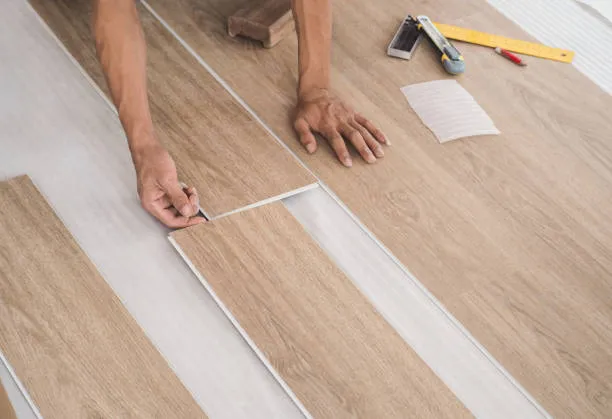
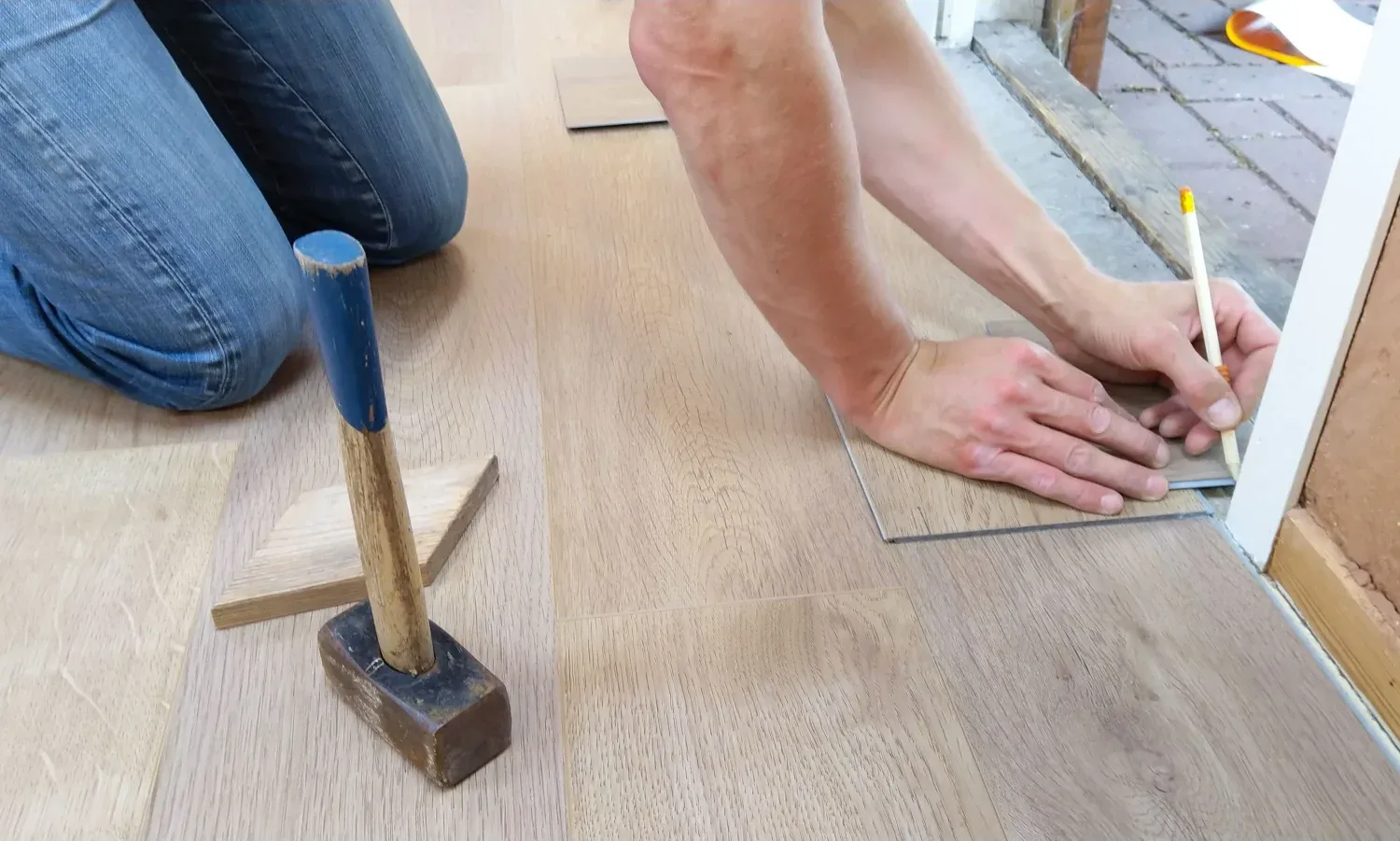
- Luxury vinyl plank (LVP): Waterproof, durable, comfortable underfoot. Works well in almost any room, including kitchens and bathrooms, and handles humidity better than real wood
- Hardwood: Classic, can be refinished multiple times, adds real value. Best in living rooms, bedrooms, and hallways, less ideal in high-moisture areas
- Laminate: Looks like wood at a lower price point, click-together installation. Good for bedrooms and living areas, especially budget-conscious projects
- Tile: Extremely durable and water-resistant. The default choice for bathrooms, and increasingly popular in kitchens and entryways
- Carpet: Still has its place, bedrooms, especially for households with young kids, where the softness and warmth underfoot actually matters
- Epoxy coatings: Specifically for garages, basements, and workshop-type spaces where durability and ease of cleaning matter more than appearance alone
Most homes end up with a mix of two or three of these, and that’s completely normal. The mistake we see most often isn’t choosing the “wrong” flooring, it’s choosing one flooring for the whole house without considering that different rooms have genuinely different needs.
Bathroom Flooring: Why It’s a Different Conversation Entirely
What Should You Look for in Bathroom Flooring?
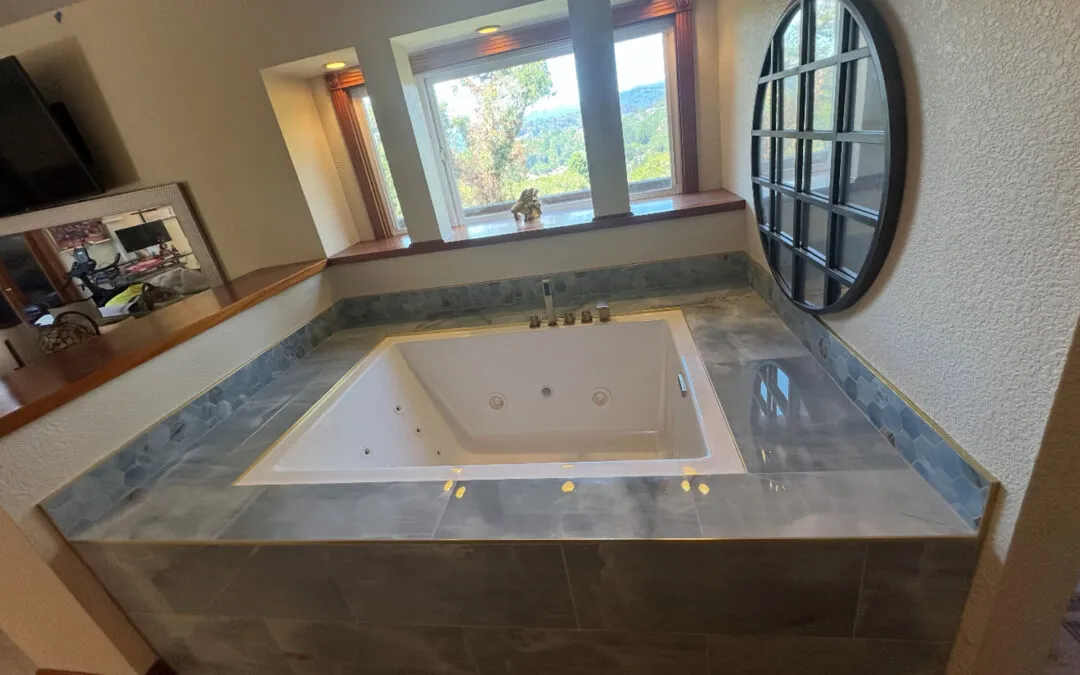
Bathrooms are probably the room where flooring choice matters most, because the consequences of getting it wrong show up fast. Bathroom flooring services need to account for constant moisture, temperature changes, and, let’s be honest, water that ends up on the floor no matter how careful everyone is.
Tile remains the most common choice for good reason, it’s fully water-resistant when properly installed and sealed, and it holds up to decades of use. But we’re installing more LVP in bathrooms than we used to, because the better products are genuinely waterproof now, and it’s warmer underfoot than tile, which matters a lot on a cold morning.
One thing that doesn’t get talked about enough: slip resistance. A floor that looks beautiful but gets slippery when wet is a real safety issue, especially in a household with kids or older family members. Textured tile finishes or certain LVP products with better grip ratings are worth asking about specifically, it’s not something that shows up in a photo, but it matters every single day.
Residential Flooring Options for Different Lifestyles
How Do I Choose Flooring Based on How My Household Actually Lives?
This is where residential flooring options decisions get personal, because the right answer really depends on your household. A few scenarios we see a lot:
- Homes with dogs: Scratch-resistant LVP or certain engineered hardwoods with a harder finish hold up much better than softer hardwoods or carpet, which show wear from claws quickly
- Homes with young kids: Durability and easy cleanup matter more than anything else for a few years, LVP and tile are forgiving of spills, drops, and general chaos in a way that carpet and hardwood aren’t
- Homes planning to age in place: Slip resistance, even surfaces with minimal transitions between rooms, and avoiding thick carpet that can be difficult to navigate with mobility aids
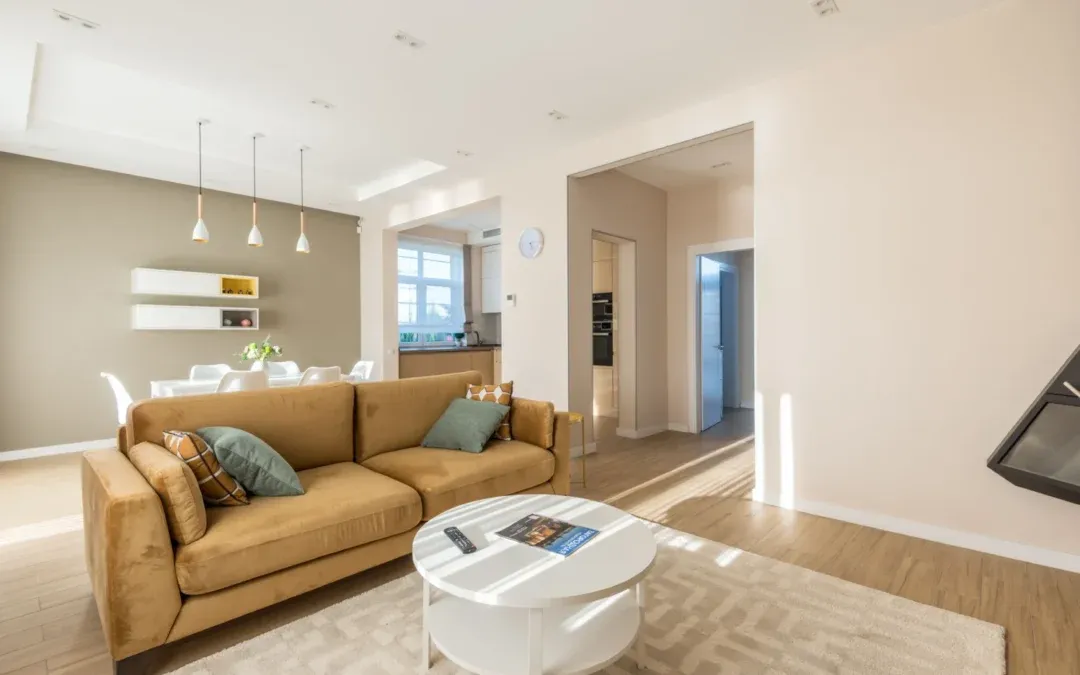
- Homes that entertain often: Consistent flooring across connected living spaces creates a more polished look for guests, and durable surfaces handle higher foot traffic better
None of these mean there’s only one “correct” choice, but thinking through how your household actually uses a space changes which residential flooring solutions make the most sense for you specifically, rather than just picking what looks good in a showroom.
Residential Epoxy Flooring: An Option Worth Considering for More Than Just Garages
Where Does Epoxy Flooring Make Sense in a Home?
Most people associate residential epoxy flooring purely with garages, and that’s still the most common application, it’s tough, resists oil and chemical stains, and is easy to clean. But we’ve installed it in a few other spaces too, and it’s worth knowing about:
- Basements: Especially unfinished or partially finished basements used for storage, workshops, or laundry, epoxy provides a durable, easy-to-clean surface that handles moisture better than many alternatives
- Workshop or hobby spaces: If you’ve got a dedicated space for woodworking, car projects, or anything messy, epoxy holds up to drops, spills, and heavy equipment in a way most residential flooring can’t
- Mudrooms or utility areas: In homes where dirt, water, and gear get tracked in constantly, a durable coated floor in this transition space can take a lot of abuse
It’s not the right choice for living spaces, it has a distinct look that works for utility areas but isn’t typically what people want underfoot in a living room. But for the right space, residential floor coating options like epoxy solve a real durability problem that other flooring types just aren’t built for.
Planning Flooring as Part of a Bigger Project
How Does Flooring Fit Into Luxury Home Floor Plans or Larger Remodels?
When flooring is part of a larger remodel or new build, including luxury home floor plans with more open layouts and varied ceiling heights, there’s an extra layer of planning involved. Open floor plans mean flooring transitions between spaces are more visible, so material choices for adjoining areas need to work together rather than being picked in isolation.
Larger homes also often involve a wider mix of flooring types across more rooms, primary suites, multiple bathrooms, home offices, media rooms, and getting the transitions and material choices to feel intentional rather than random takes some upfront planning. This is where thinking about flooring early in a remodel, rather than as a final step, makes a real difference in how cohesive the finished home feels.
How Cruz Home Construction Approaches Residential Flooring
We’ve been installing flooring across Watsonville, Santa Cruz, Capitola, Aptos, and Scotts Valley for over 20 years, everything from single-room LVP installs to full-home flooring as part of larger remodels and new construction. We walk through your home, talk about how you actually live in each space, and help you land on residential flooring services that make sense room by room, not just one blanket choice for everything.
Ready to Talk About Flooring for Your Home?
Whether you’re updating one room or planning flooring for a larger remodel or new build, we’re happy to walk through your space and talk through the options honestly, including what we’d avoid for your specific situation.
Reach out through our contact page and let’s set up a time to talk about your floors.
Read another blog guide: Property Restoration Services – What Most People Don’t Realize Until It’s Too Late